
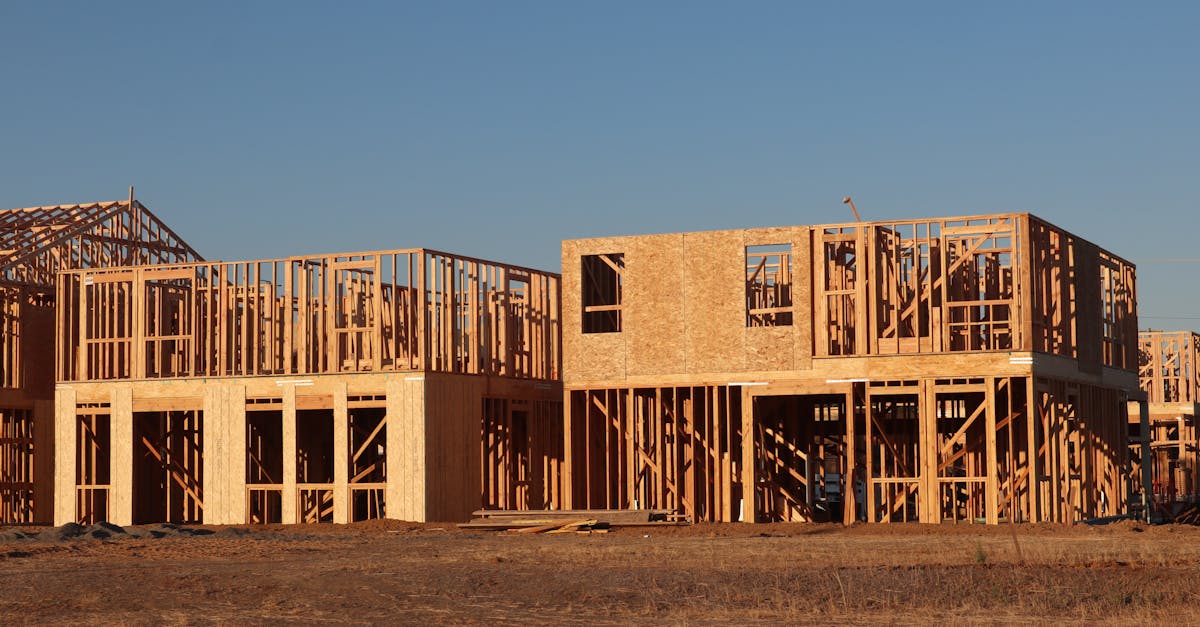
The bulldozers keep rolling through Chesterfield and Henrico, carving cul-de-sacs into former farmland at roughly the same pace as last year. But Andrew Condlin has seen this movie before, and he knows how it ends.
The CEO of the Home Building Association of Richmond released figures this week showing area builders completed roughly the same number of homes in early 2025 as they did during the same period in 2024 — a data point that might look like stability to city councilmembers and county supervisors. Condlin argues it’s actually a mirage obscuring a troubling decline.
The problem isn’t what’s getting built. It’s what’s not getting approved.
Rezoning applications for new residential lots — the bureaucratic first step before any shovel hits dirt — have fallen significantly across the metro area, according to HBAR’s analysis. The trade group declined to release specific numbers but characterized the drop as substantial enough to raise alarms about Richmond’s housing supply in two to three years, when today’s approved lots would typically become tomorrow’s finished homes.
“Everyone looks at the current numbers and says we’re fine,” Condlin said. “But the pipeline is drying up while they’re celebrating.”
The disconnect matters because Richmond, like most mid-sized metros, faces a housing affordability crisis driven largely by insufficient supply. The median home price in the region has climbed past $370,000, putting homeownership increasingly out of reach for teachers, nurses, and the service workers who make the city function. More approvals don’t guarantee more affordable homes, but fewer approvals virtually guarantee continued price pressure.
Local officials have grown more cautious about rezoning farmland and undeveloped parcels for residential use, responding to residents who pack public hearings to oppose new subdivisions. Traffic concerns dominate these meetings in Henrico and Chesterfield, where two-lane roads built for tobacco farms now carry SUVs to Amazon fulfillment centers and Wegmans.
But Condlin contends that the political cost of saying yes to development has grown so high that supervisors default to delay or denial. Each individual rejection feels responsible. Collectively, they strangle supply.
HBAR has long advocated for streamlined approval processes and by-right zoning that would reduce the discretionary power of local boards. Those proposals face skepticism from planning advocates who argue density decisions should remain with elected officials accountable to neighborhoods.
The timing creates particular pressure. Interest rates have begun their slow descent from 2024 peaks, potentially unlocking buyer demand that builders won’t be positioned to meet. Construction crews get reassigned. Subcontractors find other work. The machine doesn’t simply restart when approvals eventually come.
Richmond’s housing market has always been a story about which neighborhoods get built and for whom. The current numbers suggest that question may soon become simpler: whether enough homes get built at all.
- Homebuilding output in early 2025 remained steady compared to 2024, but rezoning approvals for new lots have dropped significantly
- HBAR warns the decline in approved lots could create housing supply shortages in two to three years
- The median home price in the Richmond region has climbed past $370,000