
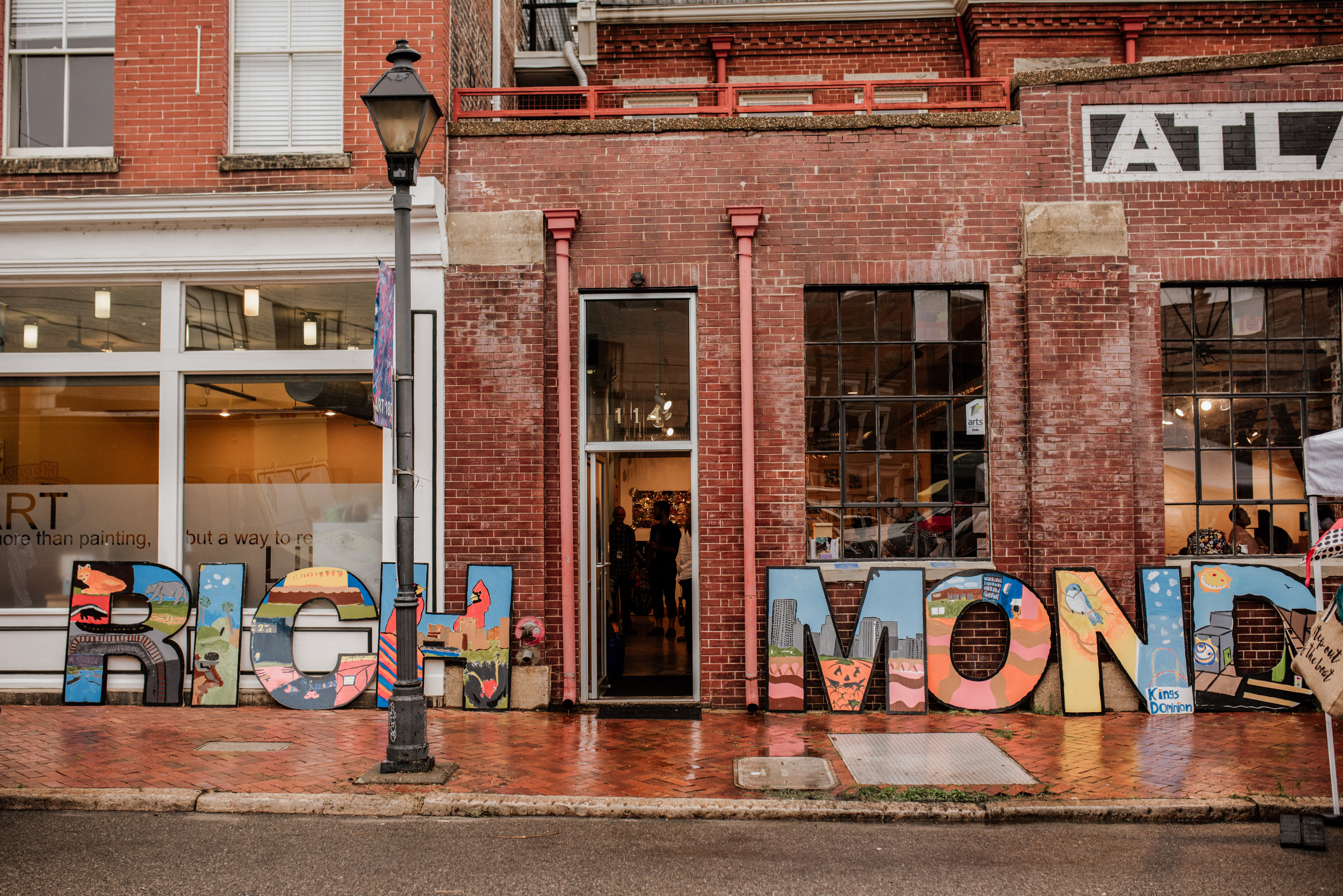
The building at 114 West Marshall Street has hosted thousands of teenagers learning to weld metal into sculpture, paint murals that now cover walls across the city, and find their voices through poetry that rattled the rafters of local coffee shops. On August 28, Art 180 will lock those doors for the last time.
The Jackson Ward nonprofit announced this week it will cease operations after 27 years, unable to climb out of a financial hole that deepened every year since 2020. The organization has run deficits for three consecutive years, and individual donations — the lifeblood of small arts nonprofits — have declined steadily for six years running.
For a city that loudly celebrates its arts scene and creative economy, the numbers tell a different story. Art 180’s closure follows a familiar pattern: organizations serving young people, particularly those from under-resourced communities, finding themselves last in line when Richmond’s philanthropic dollars get distributed. The nonprofit focused on youth from neighborhoods where arts education had been hollowed out by school budget cuts — the same neighborhoods now seeing luxury apartments rise along their edges.
The timing is brutal. Jackson Ward itself is in the midst of a transformation that has pushed out Black-owned businesses while drawing investment from developers who cite the neighborhood’s “creative energy” in their marketing materials. Art 180 helped create that energy. It won’t be around to see who profits from it.
Executive leadership had scrambled in recent years to diversify revenue, but the math never worked. Foundation grants, while helpful, come with restrictions and reporting requirements that eat staff time. Corporate sponsorships in Richmond’s arts sector tend to flow toward institutions with galas and naming opportunities, not scrappy nonprofits teaching screen-printing to fourteen-year-olds in a converted warehouse.
The decline in individual giving reflects a broader shift in how Richmonders support causes. Donor-advised funds have exploded in popularity, letting wealthy residents park charitable dollars for tax benefits while delaying actual distributions. Meanwhile, organizations like Art 180 — dependent on $50 and $100 checks from community members who attended a student showcase or bought a piece at the annual sale — watched those envelopes arrive less frequently.
Art 180 alumni have gone on to careers in graphic design, fine art, arts administration, and education. Some work at the very institutions that will outlast the organization that gave them their start. The nonprofit estimated it served more than 15,000 young people over its history, offering free programming when other arts education came with price tags that excluded working-class families.
The building on Marshall Street sits in one of Richmond’s hottest real estate corridors. Whatever comes next for that address will almost certainly cost more than Art 180’s rent — and serve far fewer people who actually need it.
- Art 180 will close August 28 after 27 years serving Richmond youth
- The nonprofit has operated at a deficit for three consecutive years
- Individual donations have declined steadily for six years
- The organization served an estimated 15,000 young people over its history