
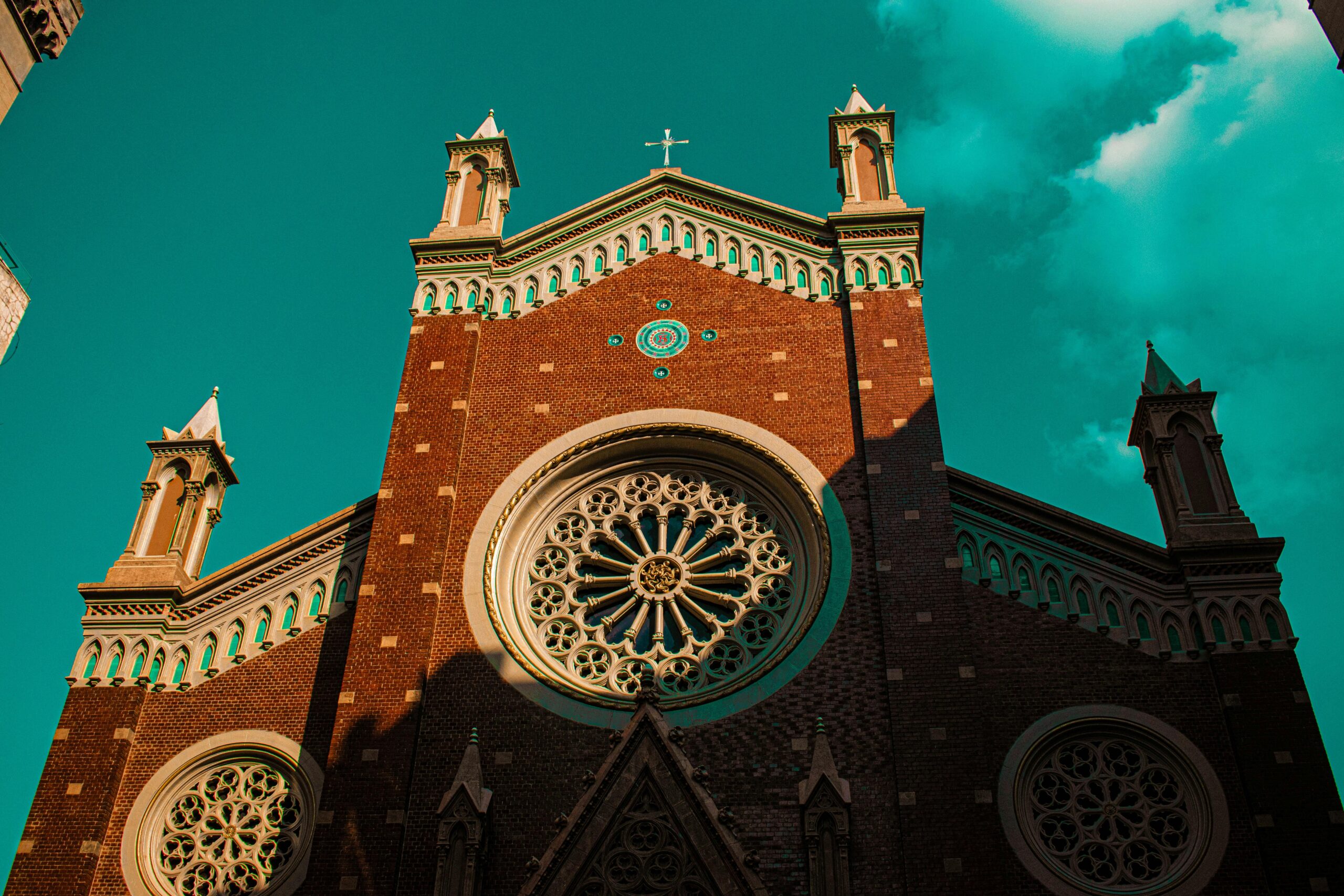
The parking lots of Richmond’s churches have long sat empty six days a week — asphalt monuments to Sunday morning congregation sizes that peaked decades ago. That calculus just changed.
Virginia’s newly signed ‘Yes In God’s Backyard’ bills eliminate the local approval gauntlet for affordable housing development on land owned by religious and faith-based organizations. No special-use permits. No rezoning hearings. No years of neighborhood opposition meetings. If a congregation owns the land and the housing is affordable, they can build it by right.
The implications for Richmond are significant. The city’s religious institutions collectively own hundreds of acres across neighborhoods from Church Hill to the West End, much of it underutilized land adjacent to sanctuaries built for congregations that have since shrunk or scattered to the suburbs. First Baptist Church downtown, the constellation of historic Black churches along Second Street in Jackson Ward, the sprawling Catholic parish campuses — all now hold development potential that didn’t exist a week ago.
Virginia joins a growing national movement of YIGBY legislation, following California’s passage of similar laws in recent years. The approach represents a workaround to the local zoning battles that have stalled housing production across American cities. Religious institutions, the theory goes, are mission-driven organizations more likely to prioritize community benefit over maximum profit extraction.
For Richmond, where the affordable housing shortage has pushed working families into Henrico and Chesterfield while downtown apartments lease at $2,000 monthly, the church-owned land pipeline could matter. The city’s housing advocates have spent years watching promising projects die in community meetings where a handful of opponents could derail developments serving hundreds of future residents.
The new laws don’t guarantee construction. Congregations still need financing, development partners, and the institutional will to transform their property. Many Richmond churches are aging institutions themselves, led by boards more comfortable maintaining than building. Others may prefer to sell their land outright rather than navigate the complexities of development.
But the legislation removes a crucial barrier. A Methodist congregation in the Fan with a half-empty parking lot no longer needs to convince skeptical neighbors that density won’t ruin the neighborhood character. A Baptist church in Highland Park doesn’t need a two-year rezoning process to add apartments next to its fellowship hall.
The market will now test whether Richmond’s faith communities see housing development as ministry — and whether the city’s housing crisis has finally become urgent enough to fill those empty Sunday parking lots with something more permanent.
- New Virginia laws allow by-right affordable housing development on religious organization land
- The legislation eliminates requirements for special-use permits and rezoning processes
- Religious institutions across Richmond own significant underutilized land that could now be developed