
For thirty years, Mike Lindsey has done math that has nothing to do with flavor profiles or customer satisfaction. Every month at his Scott’s Addition cocktail bar, he’s tallied food sales against liquor revenue, hoping the numbers land on the right side of an arbitrary line drawn by Virginia regulators in the 1990s.
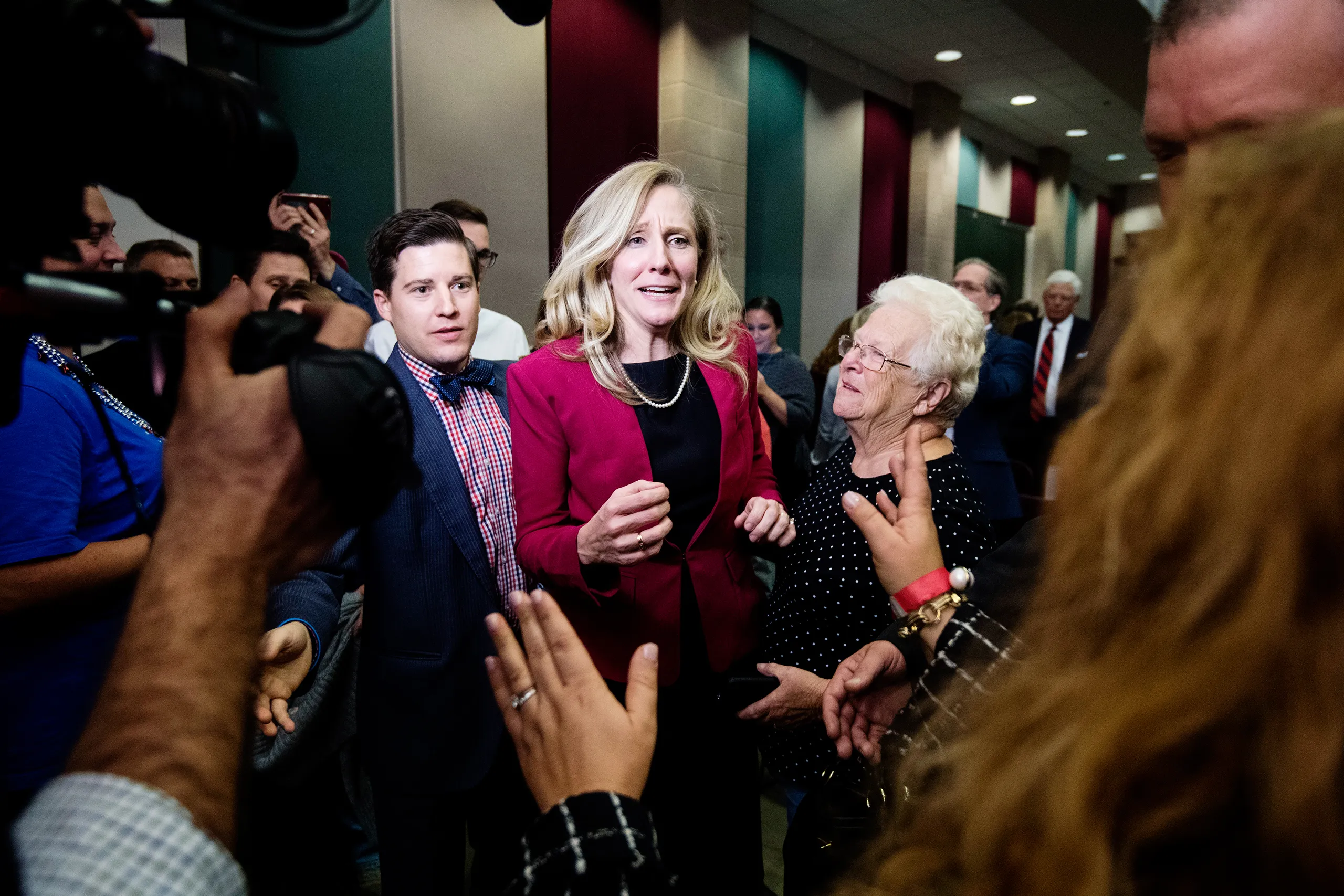
That calculation ends now. Governor Abigail Spanberger signed a package of bills this week that dismantles Virginia’s notorious 45% rule — the requirement that mixed beverage licensees derive nearly half their gross revenue from food sales or face losing their liquor license.
“It gives me the ability to operate the business in the best way possible for us, instead of running my entire business around meeting that ratio,” one local restaurant owner told Richmond BizSense.
The rule has shaped Richmond’s hospitality landscape in ways most diners never noticed. It’s why that brewpub added a mediocre kitchen. Why your favorite cocktail spot sells overpriced cheese boards. Why some bars close during slow lunch hours when they’d rather serve drinks — because serving liquor without enough food sales throws off the monthly math.
The 45% requirement was a relic of Virginia’s post-Prohibition anxiety, designed to ensure drinking establishments remained “restaurants” rather than saloons. But it created perverse incentives: establishments gaming receipts, inflating food prices, or simply avoiding the mixed beverage license entirely.
For Richmond’s booming craft cocktail scene, concentrated heavily in Scott’s Addition and the Fan, the reform arrives at a critical moment. Rising food costs have squeezed margins to the bone, and the 45% rule forced operators to maintain full kitchen operations even when drinks drove their actual business.
The bill package also loosens regulations on delivery, tastings, and manufacturer direct sales — smaller changes that add up to Virginia’s most significant alcohol policy overhaul in decades.
Not everyone celebrated. Restaurant industry veterans who’ve built their business models around food-forward concepts questioned whether removing the guardrail invites a race to the bottom — bars competing purely on drink prices without the civilizing influence of a required kitchen.
But for operators who’ve spent years doing compliance math instead of hospitality, the signing ceremony in Richmond represented something simpler: permission to run their businesses like businesses.
The changes take effect July 1. For Lindsey and dozens of other Richmond bar owners, that date means retiring their spreadsheets and focusing on what they actually opened their doors to do.
- Governor Spanberger signed bills eliminating Virginia’s 45% rule requiring mixed beverage licensees to earn nearly half their revenue from food
- The decades-old regulation forced bars and cocktail establishments to maintain full kitchen operations regardless of their business model
- Additional reforms address alcohol delivery, tastings, and manufacturer direct sales
- Changes take effect July 1, 2026